

Buy Blue Multani Saraiki Homemade Ajrak
Original price was: ₨ 1,800.₨ 1,500Current price is: ₨ 1,500.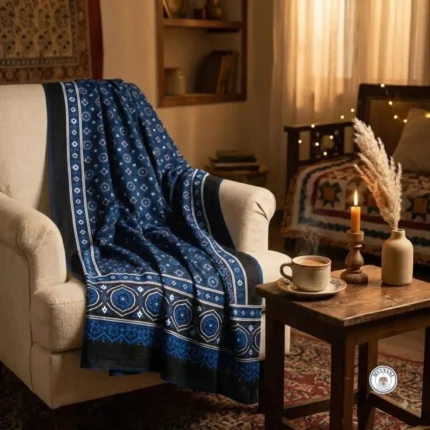
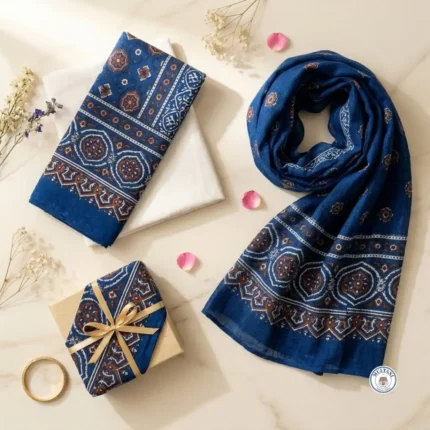
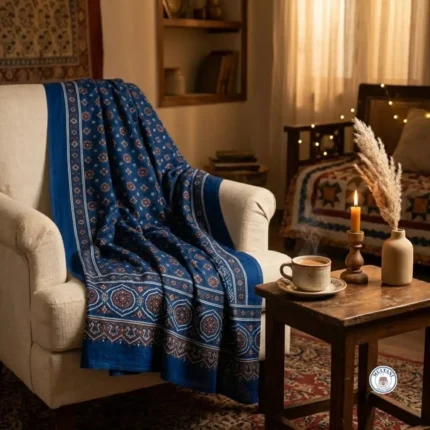
Vibrant Blue Multani Ajrak – Handmade Saraiki Shawl
Original price was: ₨ 1,200.₨ 800Current price is: ₨ 800.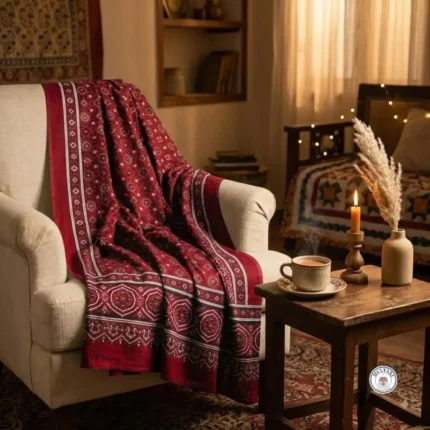
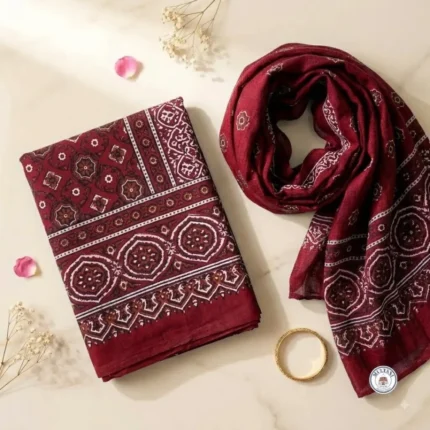
Vibrant Red Multani Ajrak – Handmade Saraiki Shawl
Original price was: ₨ 1,200.₨ 800Current price is: ₨ 800.Multani Ajrak & Shawls — Where Every Thread Carries a Story
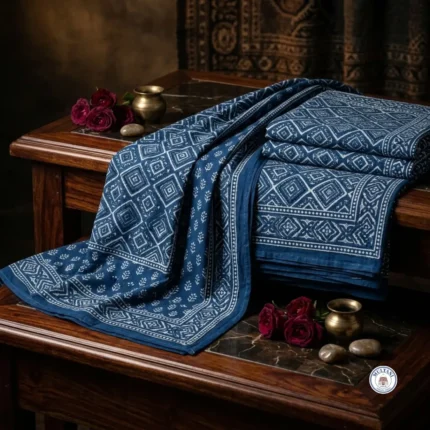
Have you ever held a piece of cloth and felt like it was telling you something? That is exactly what happens when someone picks up a Multani Ajrak for the very first time. The colors are deep and rich — that beautiful neel blue mixed with warm earthy colors. The patterns look like they were made by someone who really cared. And honestly? They were.
At Multani.com.pk, every single piece in this collection is made by real artisan hands. Whether someone needs an ajrak shawl, a traditional shawl, or a special cultural gift, this is the place to find something truly authentic and handcrafted. These are not factory copies. These are the real thing — premium quality textiles straight from the heart of Sindh and Multan.
The Ancient Roots Behind Every Pattern
Ajrak is really, really old. It goes all the way back to Mohenjodaro — one of the oldest civilizations in the whole world. So when someone wears an ajrak, they are wearing something tied to ancient civilization itself. That is not something most clothes can say.
The word Ajrak has an unknown origin, but in Arabic language, some believe ajrak means blue — which makes sense, because that deep indigo color is the most dominantly used color in the craft. Sindh is known as the birthplace of Ajrak printing. Long ago, Sindhi communities were major producers of indigo production, and they exported cotton cloth all the way to the Middle East. That long history of export trade is part of why traditional ajrak looks the way it does today — those bold rich red and indigo hues, those beautiful intricate patterns built through 21 stages of careful dyeing and printing.
The cloth starts as unbleached cloth, gets washed in the river, baked under the sun, and then gets its colors through block printed by hand methods. Craftspeople in places like Hala Village, Matiari, Bhit Shah, Moro, Sukkur, Kandiaro, and Hyderabad — across Upper Sindh and Lower Sindh — still do this the old way, using natural dyes like natural indigo and madder, pressing a carved block into fine fabric one stamp at a time.
Here is the best part — no two pieces ever look exactly the same. That is not a mistake. That is the mark of human hands, and it is what makes every unique piece so precious.
What's Inside This Collection
The range at Multani.com.pk covers just about everything someone could want. Here is a simple look at what is available:
- Cotton Ajraks and Pure Cotton Fabric ajraks — great for summer wear and mid season wear
- Silk Ajrak and Silk Textile pieces for a softer, luxury fabric feel
- Polyester Ajraks and Table Printed Ajraks for everyday use at a good price
- Ladies Linen Ajraks and Ajraks with Mirrors featuring mirror work and decorative embellishment
- Hand Block Printed ajraks in double paat and double paat size — the traditional way to wear them
- Embroidered Ajrak styles with delicate embroidered detailing, embroidered borders, and embroidered sleeves
- Cotton Chadder and Chaddar styles ranging from 2.5 meters to 3 meters long — worn across shoulders, as a turban, cummerbund, or dupatta
- Multani Shawls including the Swati Pashmina Shawl, Multani Embroidery Shawl, and woolen shawl styles — measuring 88 inches long and 44 inches wide, weighing about 1.2 kg
- Pure Acrylic Wool shawls with the Multani Mazari Design and self design work, available in beige, black, khaki, white, and cream
The Language of Ajrak Colors
Every color in an ajrak has a meaning — almost like it is speaking without words.
Blue ajrak is the most traditional color. It comes from indigo dyed fabric and feels calm and serene — like a deep breath. It connects people to the heritage lineage of Sindhi culture going back centuries.
Black ajrak looks sharp and classy. It is ageless and works beautifully with a black dress with Multani ajrak — a style that people in Pakistan and abroad have made super popular.
Red ajrak is warm and full of feeling. It says celebration, love, and warmth — which is why it is such a popular gift for women at weddings and cultural events.
For anyone who likes a modern twist, mirror work ajrak and embroidered ajrak pieces bring fresh style to an ancient tradition. They are perfect as ajrak for ladies or as a fashion accessory for festive wear.
More Than a Fabric — A Symbol of Identity
In Sindhi homes, ajrak is not just folded up and stored away. It is worn every day, gifted with love, passed down through families, and shown off with real pride. When it is paired with a Sindhi Topi, the ajrak shawl becomes something even bigger — a full symbol of communal pride and cultural resistance.
On Sindhi Cultural Day, people all across Pakistan and in different countries wrap themselves in their pure Sindhi ajrak as a sign of honor and hospitality — just the way their grandparents did.
And ajrak does not stop at clothing anymore. Thanks to Sindh Handicrafts, it has grown into ajrak dresses, ajrak dupattas, ajrak purses, ajrak bedsheets, and home decor — a full ajrak lifestyle that brings the touch of its people into homes everywhere.
Why Handmade Matters Here
A handmade ajrak and a factory created simulation are not the same thing. A machine made print is perfect every time — but that sameness is exactly what it lacks. A physically handmade ajrak, made through hand block printing and hand dyed with plant based dyes, carries the beat of a block, the real stories of the families who made it, and a soul underneath cloth that no screen printing or chemical dyes can copy.
Every purchase from multani.com.pk supports real artisan hands, keeps traditional craftsmanship alive, and helps craft communities across Sindh keep going. To order or ask a question, just message on WhatsApp at 03442686805 — someone will help right away.